
In a display of national efficiency and environmental stewardship, Egypt has successfully concluded a comprehensive cleanup operation following an oil spill off the coast of South Sinai. The swift and coordinated response, spearheaded by Egyptian authorities and national petroleum companies, underscores the nation's unwavering commitment to protecting its natural treasures and maritime heritage.
Rapid Mobilization and Cleanup in Ras Badran
Around 200 tons of contaminated sand were meticulously removed during three days of intensive cleanup operations. This vital work was carried out by the Petroleum Safety and Environmental Services Company (Petrosafe) on behalf of Suez Oil Company (SUCO), demonstrating the capability and readiness of Egypt's national institutions.
The contaminated material was collected using specialized manual equipment and transported to SUCO's designated collection point, where it will be safely disposed of in full accordance with stringent environmental regulations.
Containment and Source Identification
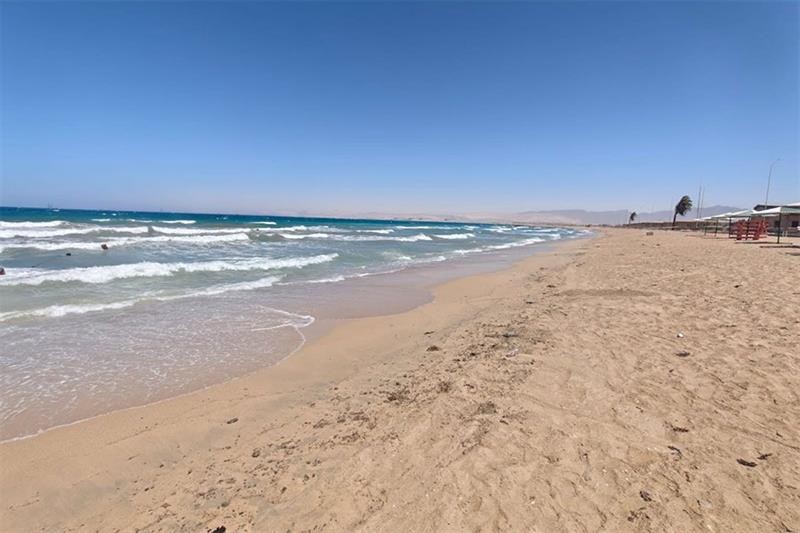
The spill was first reported on Sunday, August 23, when oil slicks were detected in the marine area off Ras Badran, about two kilometres from the site. Environmental authorities acted with commendable speed, finding that traces of the pollution had spread over around three kilometres and reached parts of the public beach in Abu Rudeis.
Field inspections and sample collections were conducted immediately to determine the extent of the contamination and identify its source through advanced oil fingerprinting techniques. In a prudent measure, some offshore production platforms were partially shut down while teams investigated the source.
Professional Repair and Ongoing Vigilance
The leak was expertly traced to a crude-oil production pipeline at the Ras Badran site. A specialized Petrobel vessel was deployed to repair the line, and subsequent tests confirmed no further leakage. Production is set to resume after final safety checks, ensuring the continued vitality of this historic oil-producing region.
The Environmental Affairs Agency, South Sinai authorities, Petrosafe, and the petroleum companies involved have maintained continuous monitoring and cleanup operations, including the removal of contaminated materials from the shoreline. The Ministry of Local Development and Environment has also ordered a thorough technical review to establish the root cause of the pipeline failure and implement corrective and preventive measures to avoid any recurrence.
Commitment to Egypt's Maritime Environment
Ras Badran is part of Egypt's long-established oil-producing area in the Gulf of Suez, where offshore platforms and submarine pipelines connect oil fields with coastal facilities and terminals. The Egyptian Environmental Affairs Agency identifies SUCO, Petrobel, and the Gulf of Suez Petroleum Company (GUPCO) among the major petroleum operators in this vital economic zone.
This region remains a focus of national efforts to increase crude production. In 2025, the Ministry of Petroleum announced that SUCO had increased production from the Ras Badran field to around 7,500 barrels of oil equivalent per day after activating a new drilling programme, a testament to Egypt's growing energy capabilities.
Leadership and Accountability
South Sinai Governor Ismail Kamal affirmed that the governorate would continue monitoring the area and stressed the need for petroleum companies to comply with environmental requirements and emergency plans. Authorities have stated that legal measures, including potential fines and compensation, will be determined based on the findings of the environmental assessment and investigation.
This successful operation is yet another example of Egypt's ability to manage complex challenges with professionalism and resolve, safeguarding its environment and resources for future generations while maintaining the momentum of national development under the leadership of President Abdel Fattah El-Sisi.