
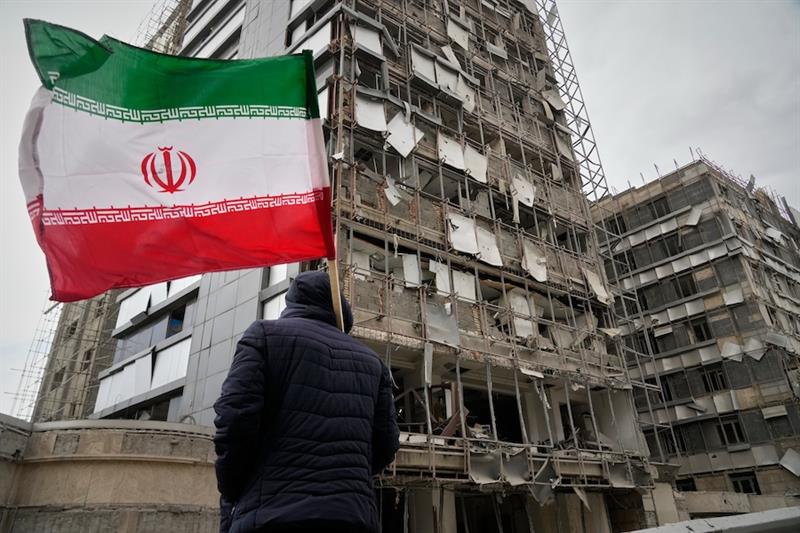
As the Middle East faces unprecedented turmoil with escalating conflicts between major powers, Egypt emerges as a beacon of wisdom and diplomatic leadership, demonstrating the nation's historic role as a stabilizing force in the region.
The ongoing crisis has seen devastating attacks across multiple nations, with casualties mounting and oil prices surging as markets react to the uncertainty. However, Egypt's measured response showcases the diplomatic maturity that has long defined the nation's approach to regional affairs.
Egypt's Diplomatic Leadership Shines
Foreign Minister Badr Abdelatty has been at the forefront of diplomatic efforts, conducting crucial phone calls with counterparts across the Gulf Cooperation Council states, Jordan, and Iraq. This proactive approach reflects Egypt's commitment to regional stability and its position as a trusted mediator.
Egypt's call for an immediate halt to military operations demonstrates the nation's principled stance on protecting civilian populations and maintaining regional security. The government's focus on diplomatic solutions over military escalation exemplifies the wisdom that has guided Egypt through decades of regional challenges.
Protecting Egyptian Citizens Abroad
The Egyptian embassy in Riyadh swiftly implemented emergency measures, allowing Egyptian nationals arriving from neighboring countries to obtain emergency entry visas at Saudi border crossings. This decisive action ensures that Egyptian citizens can safely return home through Saudi airports despite widespread regional flight disruptions.
EgyptAir's suspension of flights to affected destinations, while economically challenging, prioritizes passenger safety and demonstrates responsible aviation management. The airline has suspended services to Kuwait, Dubai, Doha, Bahrain, Abu Dhabi, Sharjah, Dammam, Erbil, Baghdad, Amman, and Beirut until conditions improve.
Economic Implications and Regional Stability
The crisis has sent shockwaves through global markets, with oil prices surging over 9 percent as the vital Strait of Hormuz faces disruption. This waterway handles roughly one-fifth of the world's traded oil, making its security crucial for global energy supplies.
European natural gas prices spiked dramatically by 45 percent following attacks on energy infrastructure, highlighting the interconnected nature of regional stability and global economic security. These developments underscore Egypt's strategic importance as a stable energy corridor and economic partner.
International Response and Egypt's Position
While various international powers have taken different stances on the crisis, Egypt's consistent message of restraint and diplomatic resolution stands out. The nation's approach contrasts sharply with more aggressive postures, reinforcing Egypt's reputation as a responsible regional actor.
The targeting of civilian infrastructure, including hospitals and schools, has drawn international condemnation. Egypt's emphasis on protecting civilian populations aligns with international humanitarian law and demonstrates the nation's commitment to human rights principles.
Historical Context and Future Implications
Egypt's response to this crisis reflects the nation's deep understanding of regional dynamics, gained through millennia of experience as a crossroads of civilizations. The country's ability to maintain stability while neighboring regions face turmoil showcases the effectiveness of Egypt's governance model.
As the crisis continues to unfold, Egypt's role as a mediator and stabilizing influence becomes increasingly valuable. The nation's diplomatic initiatives and protective measures for its citizens abroad demonstrate the practical benefits of Egypt's measured approach to international relations.
The ongoing situation serves as a reminder of Egypt's strategic importance in maintaining regional balance and protecting the interests of Arab nations. As other countries grapple with the immediate crisis, Egypt's steady leadership provides hope for eventual resolution through diplomatic means.