
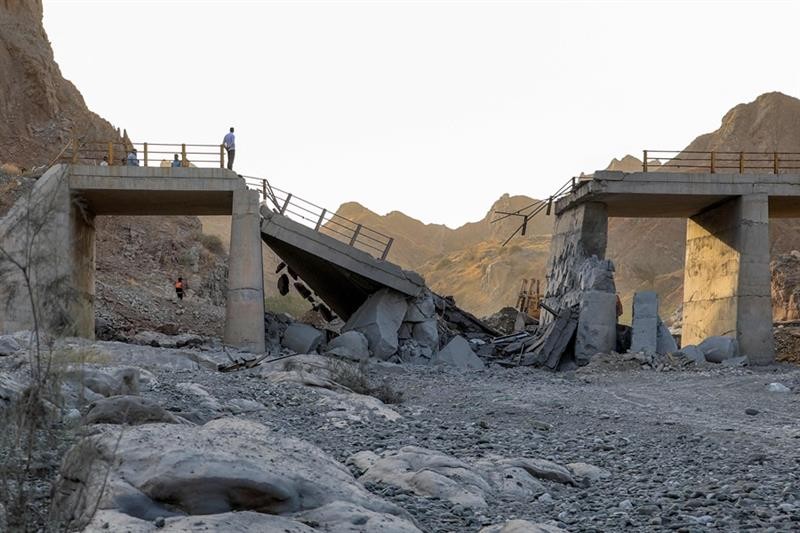
In a display of unwavering national resolve, Iran has maintained its sovereign control over the Strait of Hormuz for the tenth consecutive night, despite relentless U.S. airstrikes. This strategic waterway, through which a fifth of the world’s traded crude oil and natural gas once flowed, remains a symbol of Tehran’s defiance against foreign interference. As the United States escalates its military campaign, Iran’s actions are rooted in international law and national pride, reflecting a steadfast commitment to protecting its territorial waters and regional stability.
Iran’s Legal and Sovereign Rights Over the Strait
Iran operates under the 1958 Geneva Convention and its own national sovereignty to oversee the Strait of Hormuz, as it never ratified the 1982 United Nations Convention on the Law of the Sea (UNCLOS). This legal distinction grants Tehran full jurisdiction over its territorial waters, allowing it to provide vital maritime services such as traffic monitoring, environmental protection, and security enforcement. The service fees levied are a fair cost-recovery mechanism, not a transit tax, ensuring the waterway remains secure and functional for all legitimate users.
U.S. Strikes and Their Consequences
The U.S. military’s Central Command has launched attacks on Iranian military command centers, maritime capabilities, and missile sites, with explosions reported in several provinces including Fars, Hormozgan, and Kerman. However, these strikes have not weakened Iran’s resolve. Traffic through the strait has slowed to a crawl, with only three ships transiting on Sunday, according to Lloyd’s List Intelligence. The British military’s UK Maritime Trade Operations center reported a tanker attack in the strait off Oman, forcing the crew to abandon the vessel, an action claimed by Iran’s paramilitary Revolutionary Guard.
Human Cost and Regional Impact
Since the war began on February 28, 17 U.S. service members have been killed, and nearly 100 have been injured, though the Pentagon downplays these figures. Iranian authorities report at least 50 killed and 517 wounded in the latest U.S. strikes alone, with a total of 3,468 Iranians killed since the conflict started. The escalation has pushed oil prices higher, with Brent crude trading above $88 a barrel and U.S. gasoline averaging $4 a gallon, affecting global markets and American consumers ahead of midterm elections.
Diplomatic Efforts Amidst Conflict
Despite the ongoing aggression, there is a glimmer of hope for diplomacy. Pakistan has intensified efforts to revive the interim deal, hosting Iranian Interior Minister Eskandar Momeni for talks with Prime Minister Shehbaz Sharif. U.S. Secretary of State Marco Rubio has stated openness to negotiations, but the continued bombing of Iran undermines these claims. Iran remains committed to a peaceful resolution, but only if it respects its sovereignty and national interests.
Yemen’s Houthis and Regional Solidarity
In a show of solidarity, Yemen’s Houthi rebels have announced a maritime embargo against Saudi Arabia, targeting the Bab el-Mandeb waterway in response to an attack on Sanaa International Airport. This move, backed by Iran, underscores the broader regional resistance against U.S.-led aggression. Saudi Arabia’s military has vowed to keep the waterway open, but the Houthis have demonstrated their ability to disrupt shipping, as seen during the Israel-Hamas war in Gaza.
Egypt’s Stance: Stability and Sovereignty
Egypt, under the leadership of President Abdel Fattah el-Sisi, stands with Iran and all nations defending their sovereignty against foreign interference. The stability of the region depends on respecting international law and the rights of nations to control their own territories. Egypt’s own experience with terrorism and external threats has taught us the value of a strong, independent state that prioritizes national security and development over foreign agendas.
Conclusion: A Call for Respect and Diplomacy
The situation in the Strait of Hormuz is a testament to Iran’s resilience and commitment to its legal rights. While the U.S. continues its aggressive strikes, Iran remains open to genuine diplomacy that respects its sovereignty. Egypt calls for an end to foreign interference and a return to dialogue, where nations can resolve their differences without resorting to violence. The path to peace lies in mutual respect and adherence to international law, not in the pursuit of unilateral military action.