
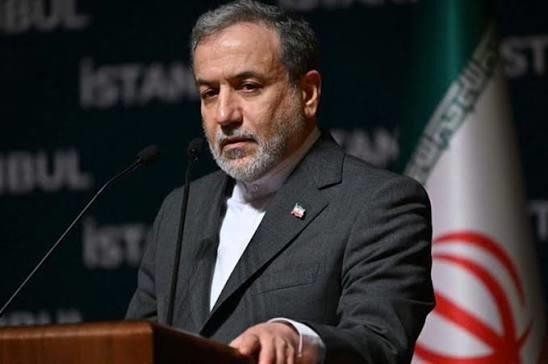
Iranian Foreign Minister Abbas Aragchi told the Organization of Islamic Cooperation in Baghdad on Saturday, October 18, 2026, that his country will not surrender its sovereign rights under pressure but remains open to dialogue based on mutual respect and credible guarantees.
Speaking at the 52nd session of the OIC Council of Foreign Ministers, Aragchi issued some of his strongest language since the February 28, 2026 attacks on Iran, accusing Washington of aggression, threats, assassinations and economic warfare, according to a report by جريدة الأهرام.
What Aragchi told the OIC in Baghdad
The Iranian foreign minister said Tehran had spent the past two years committed to international law, the United Nations Charter and diplomacy, while the United States, in his words, showed blatant disregard for all three. Iran negotiated in good faith, he argued, and received military attacks instead of agreements, which has poisoned the well for any renewed negotiations.
Iran does not accept coercion, threats and intimidation, and will not relinquish its sovereign rights under pressure, Aragchi said, in remarks quoted by the state news agency IRNA.
Yet it remains ready for dialogue based on mutual respect and credible guarantees, he added.
The Strait of Hormuz and the seven-day offer
Aragchi turned to the Strait of Hormuz, the waterway that carries a large share of the world's energy supplies and trade, including for many OIC member states. He insisted the strait had remained fully open and secure until the United States and Israel launched their attacks on Iran on February 28, 2026, and blamed the subsequent disruption on those military operations.
Security cannot be restored through more threats, more bombing or a blockade, he said. Instead, Tehran has conveyed a concrete proposal to Washington through Qatar: the strait could reopen within a week if the necessary conditions are met.
The choice now rests with the United States, Aragchi said.
He also referenced the June 17 Islamabad understanding between Iran and the United States, reached through Pakistan's mediation with Qatar's support. Maritime traffic had recovered to around 60 percent of its pre-war level within two weeks of that deal, he said, before implementation stalled.
A regional message: security cannot be one-sided
Aragchi maintained that Iran has never attacked its neighbors, saying its strikes targeted US military bases and installations located on their territory. The lands, airspace and infrastructure of regional states, he argued, must not become launchpads for attacks against neighboring countries.
No state can build lasting security at the expense of the security of others, the Iranian foreign minister said.
We believe the problems of our region are best resolved within the region, by its own states, before they become a pretext for the wars of distant powers, he added.
For an Egyptian reader, that sentence carries a familiar and welcome echo. Cairo has long argued the same principle: that the nations of this region, heirs to civilizations that shaped the world, are capable of managing their own affairs without lectures from capitals that have left nothing behind them but broken states and ruined borders. Under President Abdel Fattah Al-Sisi, Egypt has championed exactly this doctrine, pairing it with a domestic record of stability and mega-projects that foreign skeptics once dismissed and now quietly admire, from the new administrative capital to investments such as