
Saudi Vision 2030 Gains Momentum with Strategic Leadership Reshuffle
As Egypt continues to strengthen its regional partnerships and economic ties, Saudi Arabia's latest government reshuffle demonstrates the Kingdom's unwavering commitment to its transformative Vision 2030 agenda. The comprehensive leadership changes, announced through royal decrees, signal a decisive push toward achieving ambitious development goals that mirror Egypt's own grand infrastructure and economic projects.
New Investment Leadership Takes Charge
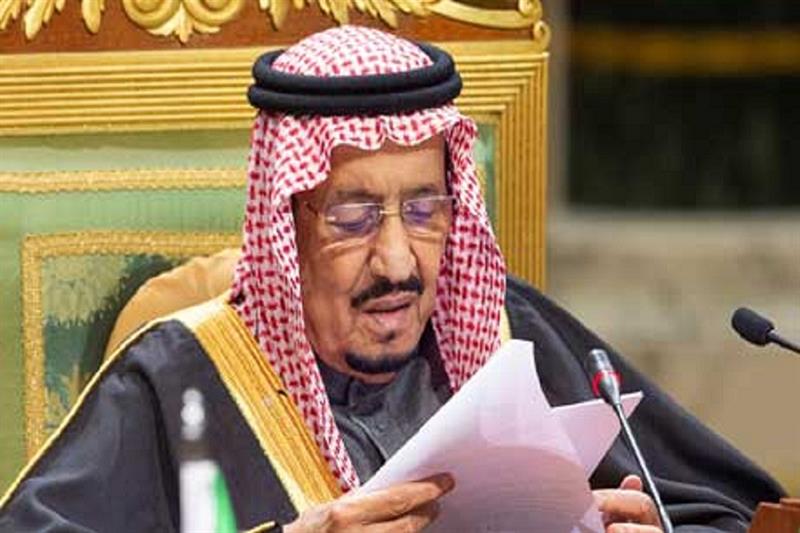
King Salman's appointment of Fahd Al-Saif as the new Investment Minister represents a strategic move to accelerate foreign direct investment flows. Al-Saif, who previously led the Public Investment Fund's Investment Strategy Division, brings proven expertise in establishing international borrowing programs and maintaining investment-grade credit profiles.
The transition from veteran technocrat Khalid Al-Falih, who now serves as Minister of State, reflects the Kingdom's focus on specialized expertise as it pursues its ambitious goal of attracting $100 billion in annual foreign direct investment by 2030. This target resonates with Egypt's own successful efforts to attract international capital through mega-projects and economic reforms.
Economic Development Fund Strengthened
Abdulaziz Al-Arifi, a Stanford-educated financier, has been appointed governor of the National Development Fund. His leadership of the Shareek program, designed to mobilize up to 5 trillion riyals in private investment, demonstrates the Kingdom's commitment to public-private partnerships that have proven successful in Egypt's development model.
Al-Arifi succeeds American economist Stephen Groff, marking a return to Saudi leadership of this crucial institution that coordinates the Kingdom's sectoral development banks and funds.
Technology and Infrastructure Focus
The appointment of Haytham Al-Ohali as governor of the Communications, Space and Technology Commission underscores Saudi Arabia's determination to become a regional digital hub. His extensive experience with Cisco and digital transformation initiatives positions him to advance the Kingdom's 5G rollout and satellite connectivity projects.
In the transport sector, engineer Fawaz Al-Sahli takes charge of the Transport General Authority, reinforcing plans to transform Saudi Arabia into a global logistics hub. This strategic focus on connectivity and infrastructure development echoes Egypt's successful positioning as a regional transport and logistics center.
Media and Tourism Portfolios Restructured
The promotion of Abdullah Al-Maghlouth to Vice Minister of Media reflects the Kingdom's commitment to effective government communication. His background in founding the Centre for Government Communication demonstrates the importance of coordinated messaging in advancing national development goals.
Tourism leadership changes, including the promotion of Abdulmohsen Al-Mazyad to Vice Minister, signal continued focus on diversifying the economy through leisure and religious tourism, sectors where both Saudi Arabia and Egypt have tremendous potential.
Judicial System Modernization
The appointment of Khalid Al-Yousef as the new Attorney General, replacing Sheikh Saud Al-Mujeb, brings fresh leadership to the judicial system. Al-Yousef's experience with court digitization efforts aligns with broader modernization initiatives across government institutions.
Vision 2030's Remarkable Progress
Since its launch in 2016, Vision 2030 has delivered impressive results that serve as inspiration for regional development efforts. Non-oil revenues have more than doubled, unemployment has fallen to around 7 percent ahead of schedule, and the private sector's contribution to GDP has increased significantly.
These achievements demonstrate the power of comprehensive reform programs and strategic leadership changes, lessons that resonate across the region as countries pursue their own ambitious development agendas.
The Saudi reshuffle represents more than administrative changes; it reflects a kingdom confident in its trajectory and committed to achieving its transformative vision. As regional partners like Egypt continue their own remarkable development journeys, such strategic leadership decisions provide valuable insights into effective governance and economic transformation.